 Loom
LoomPattern Intake
From raw file to cut-ready marker
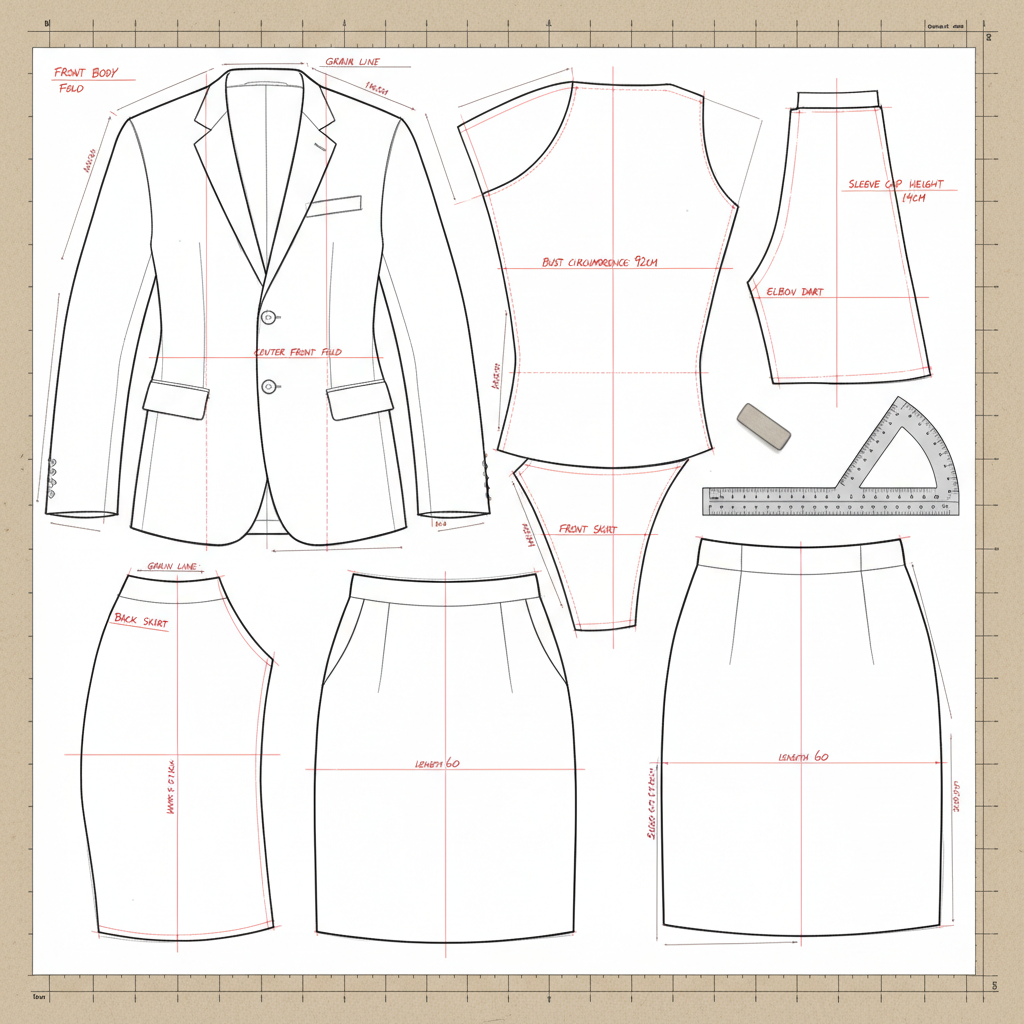
Tech pack PDF or DXF file uploaded via secure portal. Our system reads seam allowances, grain lines, notch positions, and BOM tables automatically.

Nested cut marker optimized for 94.2% fabric efficiency. Graded across three sizes in 18 minutes average processing time.
Material Selection
From spec sheet to swatch confirmation
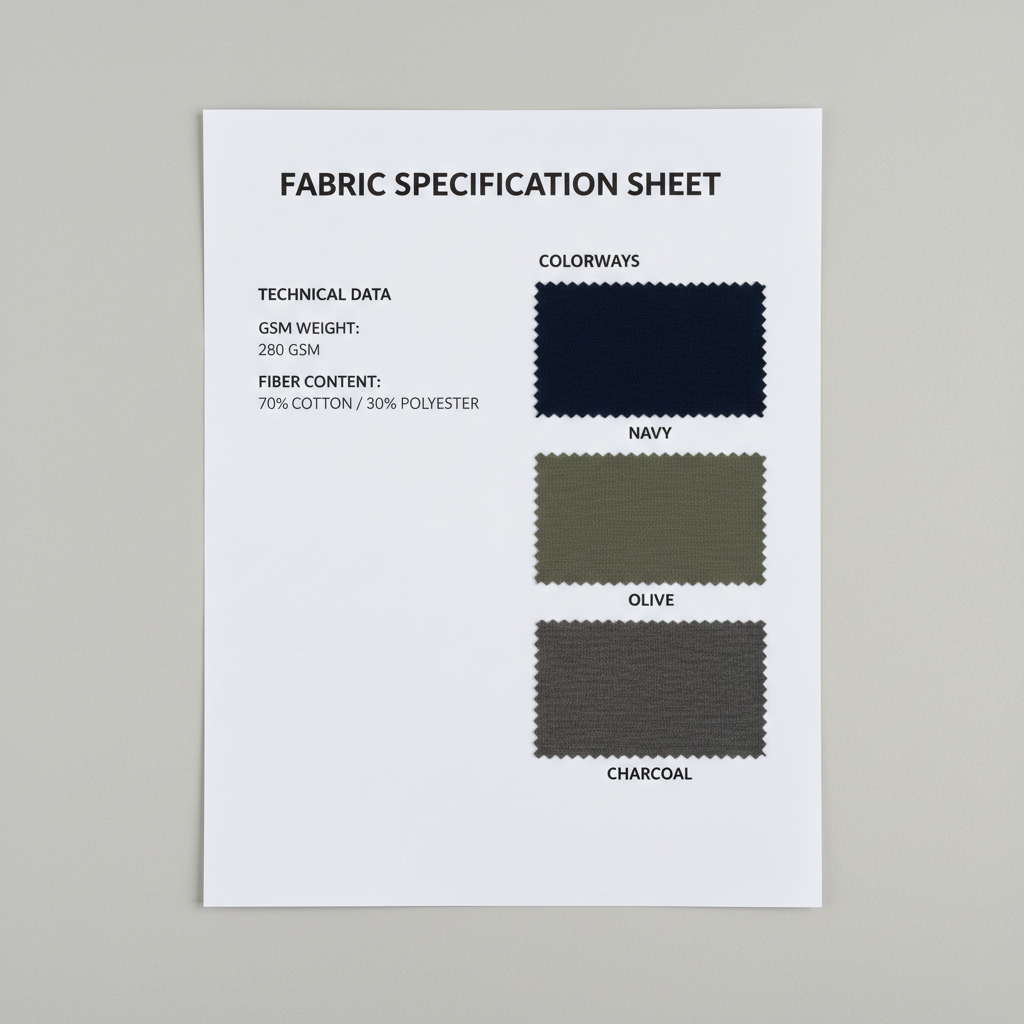
Fabric specification: weight (GSM), weave structure, fiber content, colorway references. Three alternates requested for Tuesday's buying meeting.
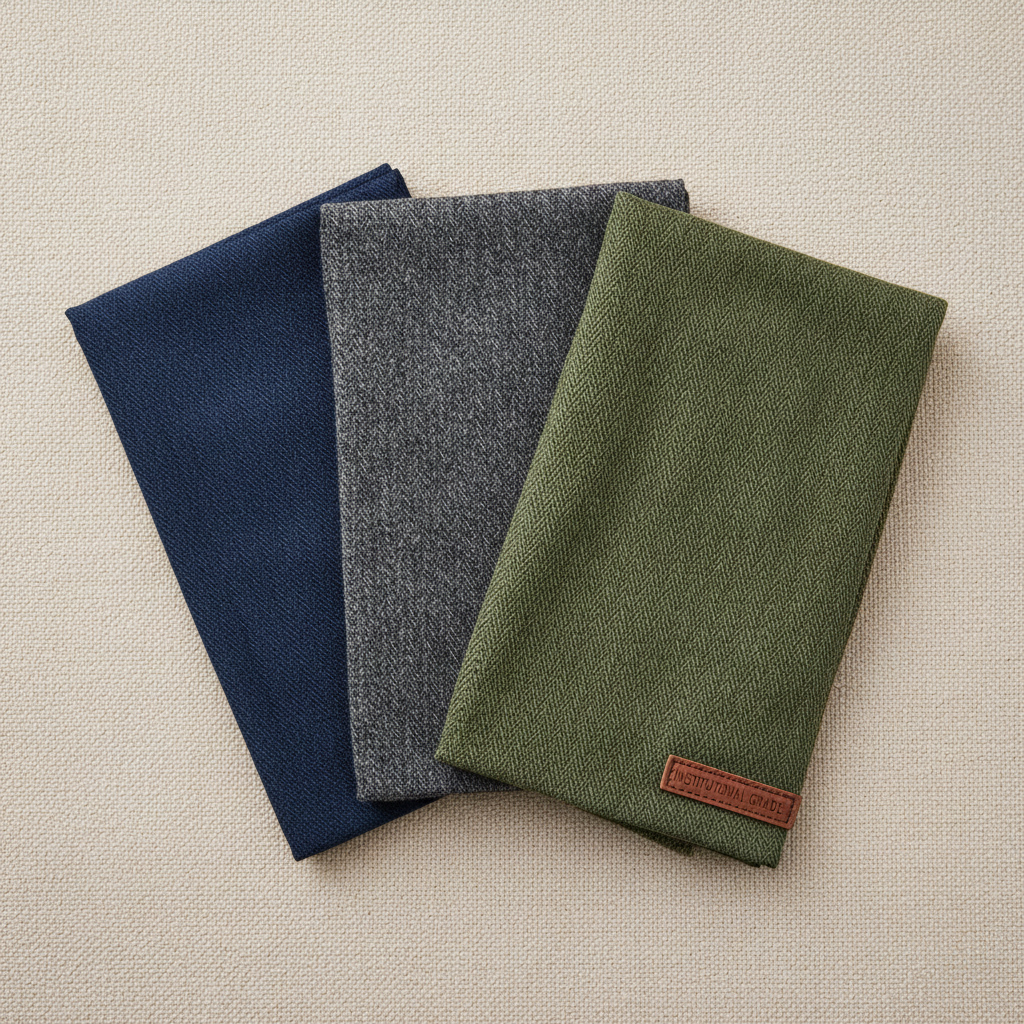
280 in-stock materials cross-referenced against spec. Three colorway swatches cut, labeled, and photographed under D65 lighting within 4 hours.
Seam Construction
From cut parts to assembled muslin
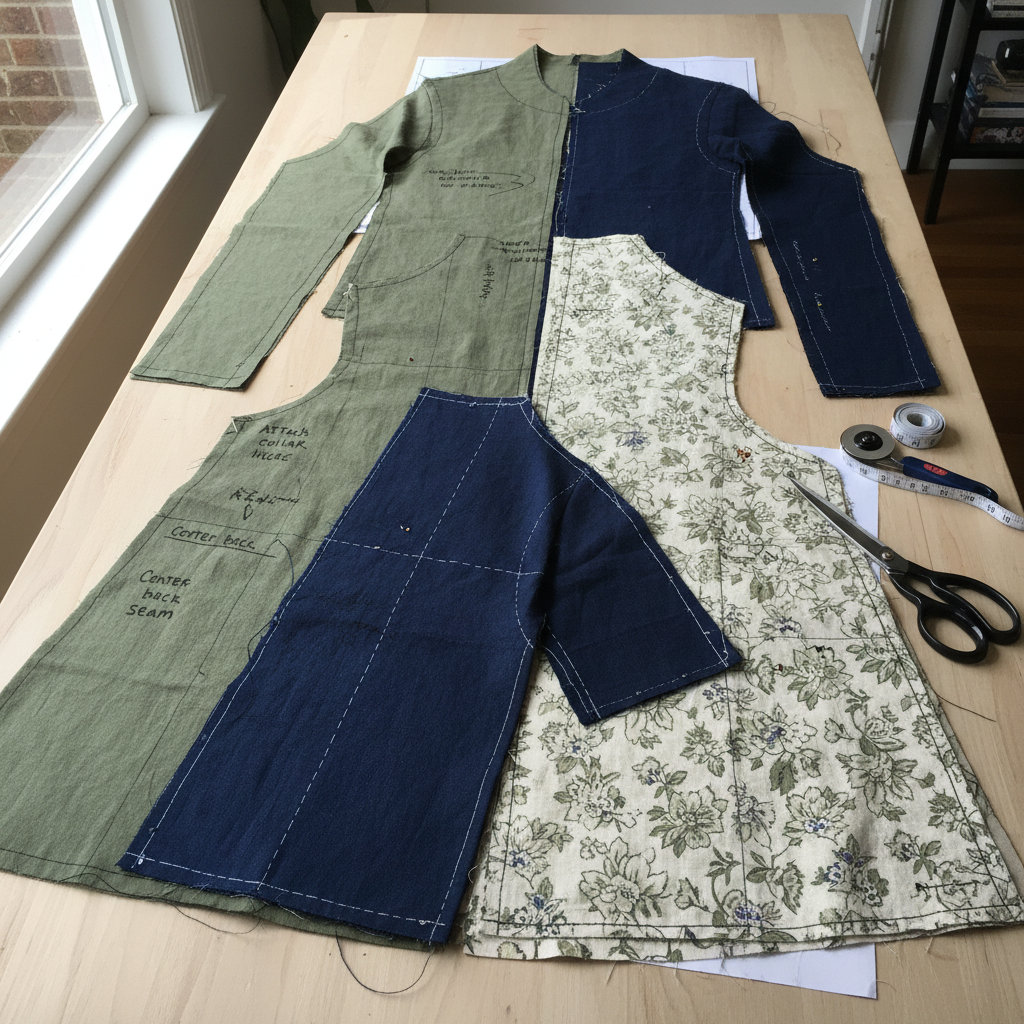
Cut components, seam construction notes (flatlock, bound, French seam, bonded), and stitch density requirements from the tech pack.
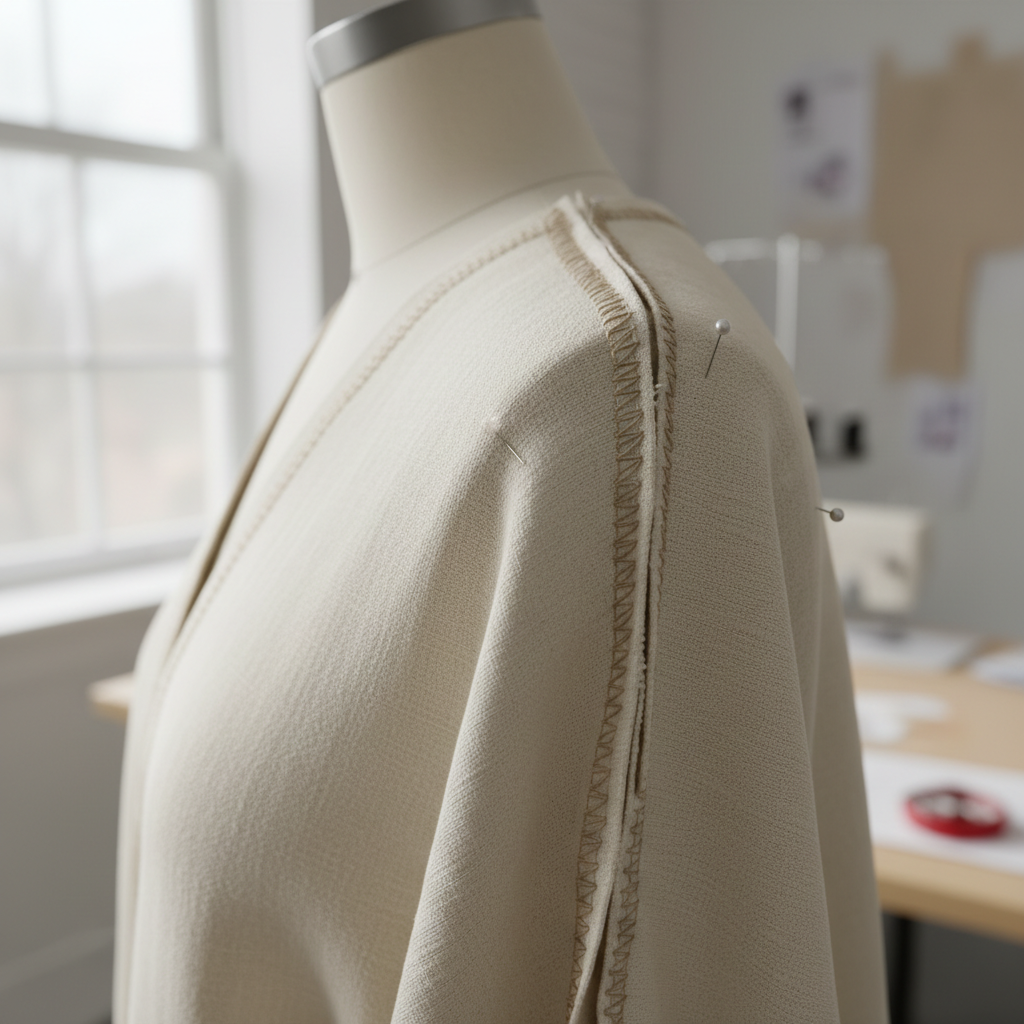
Sewn muslin on dress form. 14 SPI ±0.5 tolerance. Seam strength tested at 45 lbf before the sample leaves the floor.
Lab Validation
From garment to performance data
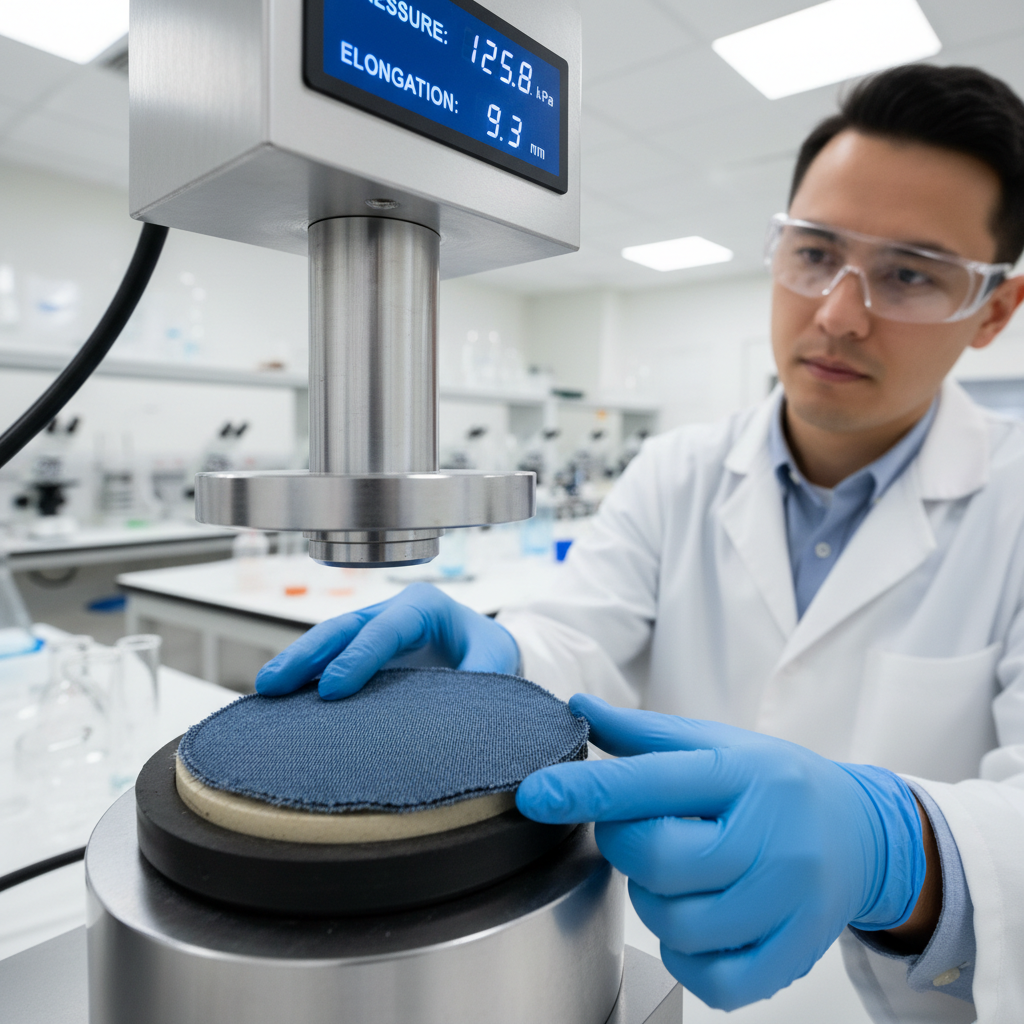
Sewn sample submitted to in-house lab. Performance-wear engineer's spec sheet: moisture wicking rate, burst strength, dimensional stability after 10 wash cycles.
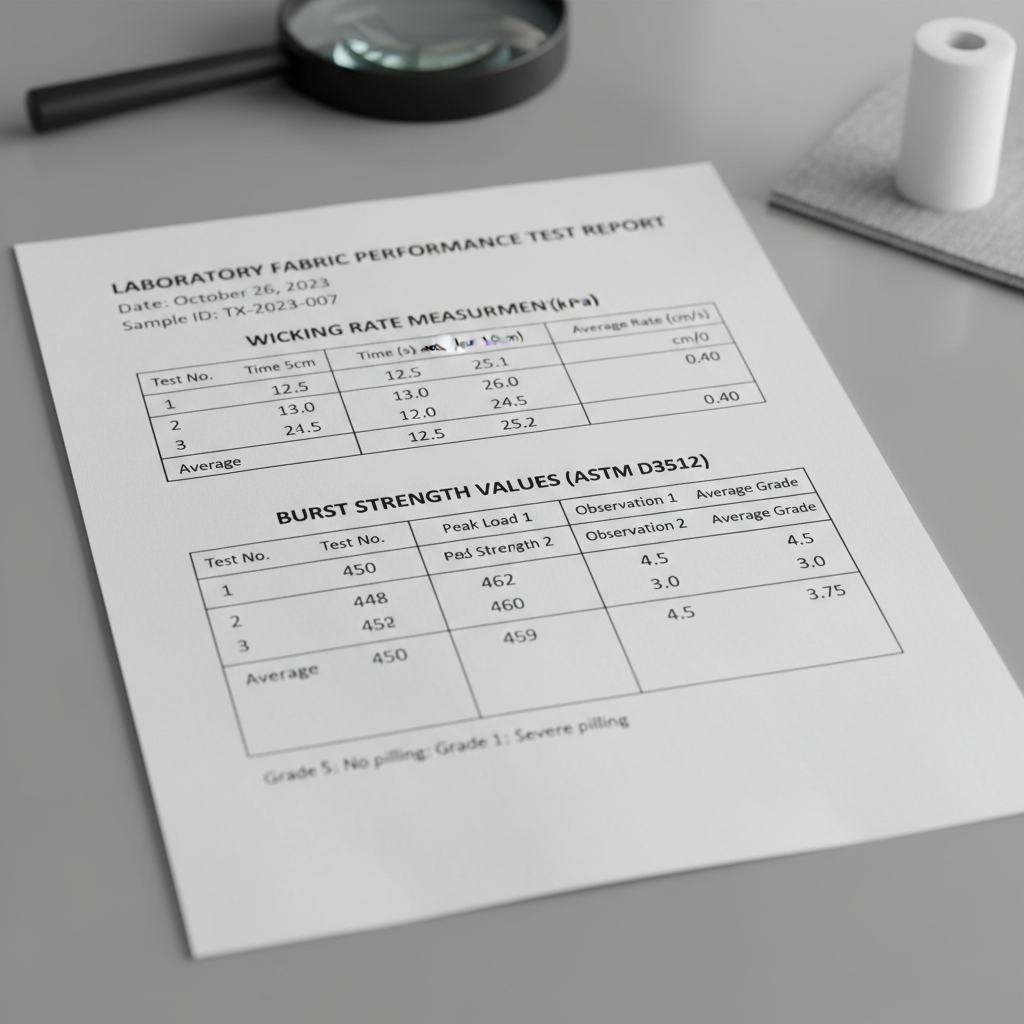
Full test report: 18 data points including wicking rate (mm/min), burst strength (kPa), pilling grade, and colorfastness. PDF delivered within 12 hours of submission.
From first cut to impossible constructions.
Every tier ships within the 72-hour window. Complexity doesn't extend the clock.
Single-Layer Cut
Woven shirting, knit tees, basic jersey. Straight seams, minimal hardware. Ideal for first-pass colorway validation.
Multi-Panel Construction
Technical outerwear, structured blazers, paneled activewear. Bonded seams, boning channels, and multiple fabric layers.
Performance + Hardware
Embedded sensor pockets, welded waterproof seams, molded foam padding, and technical hardware for performance-wear that doesn't exist in any mill book.
The Prototyping Playbook — preview six chapters.
Fabric Sourcing Matrix
Cross-reference 280 in-stock materials against 14 performance metrics. The matrix shows cost-per-meter, minimum order, lead time, and substitute chain.
Seam Tolerance Standards
Every seam type has a published tolerance range. This chapter shows which constructions hold at ±0.5mm and which require ±1.5mm buffer in your pattern.
Cost-Per-Sample Benchmarks
Actual cost data from 1,400+ prototypes across apparel categories. Includes material cost, labor hours, and lab test fees at each complexity tier.
Tech Pack Checklist
The 47-point checklist that eliminates back-and-forth. Incomplete packs cost an average of 11 hours of revision time. This chapter cuts that to zero.
Performance Test Protocol
The 18-test battery used in Loom's in-house lab. Wicking rate methodology, burst strength setup, dimensional stability wash cycles, and colorfastness grading.
Kickstarter Sample Timeline
A reverse-engineered production calendar for founders with a campaign launch date. Shows every milestone from first tech pack to photography-ready sample.
Have a specific project? Get a complexity reading before you commit.
Download the Prototyping Playbook.
50 pages covering fabric sourcing matrices, seam tolerance standards, cost-per-sample benchmarks, and the 72-hour process end to end. Used by technical designers at 140+ apparel brands.